A Journey to the Mountain Sky City of Guizhou
“Have an idea? GitHub login → Comment below ⬇️ 💬😜”
🧧 Beyond the Bullshit Jobs: A Journey to the Extraordinary City of Guizhou 🧨
They say David Graeber was right about "bullshit jobs"—the soul-crushing routines of modern digitalized corporate life. Away from the weight of ignorance, the fog of lies, and the suffocating conservatism of the workplace, I needed an escape. Not just a vacation, but a pilgrimage to a place that felt untouched by the cynicism of the modern world.
Guizhou is such a wonderland.
While English travel guides often overlook this province, treating it as a mere footnote in China's vast map, my intuition told me otherwise. Guizhou is a hidden jewel: a land of 18 distinct ethnic minorities, towering karst peaks piercing the clouds, and a biodiversity with subtropical climate so rich it feels like a prehistoric garden. It is a place where the ancient world breathes freely.
Here is my diary from the "Sky City," a journey into the unknown.
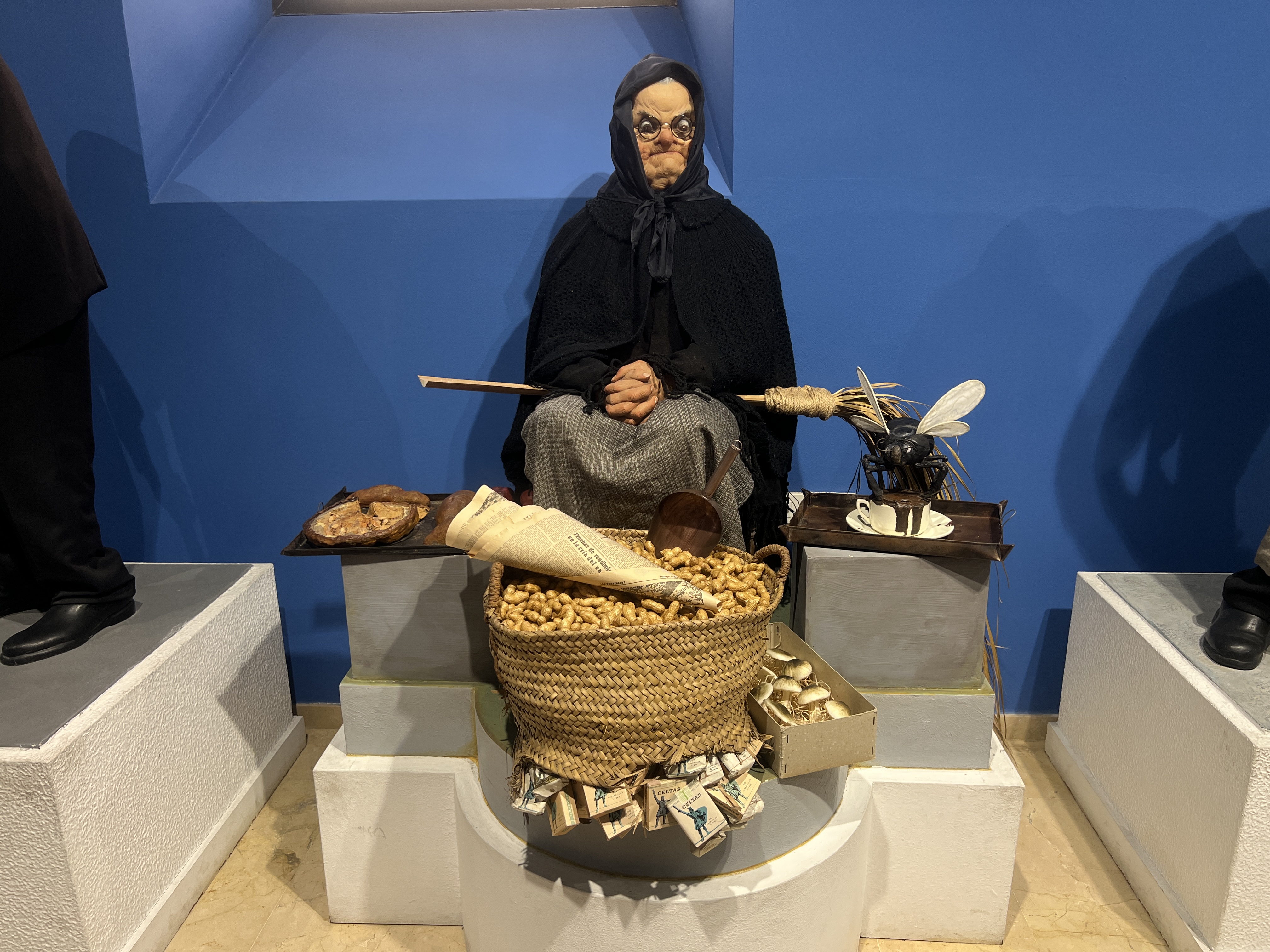 Caption: Fallero Museum
May 4th: The Taste of Survival
Shanghai to Guiyang
The moment I landed in Guiyang, the air hit me—not with pollution, but with the smoky, spicy scent of shao kao (barbecue). The night streets were alive with "Da Pai Dang" (open-air food stalls), a chaotic symphony of sizzling meat and laughter.
In the mountains, isolation breeds self-reliance. Locals don't just eat; they survive and thrive on everything nature provides.
It was a shock to the senses. Maybe this is a place where life is raw, real, and unpretentious.
May 5th: The Mother River of the Miao
Guiyang to Kaili to Xiasi Ancient Town
After settling in Kaili, I took a Didi ride (China's Uber) an hour to Xiasi Ancient Town. Stepping out, I was met with a vision that seemed plucked from a dream: the Qingshui River, its waters a startling, crystalline blue, flowing gently past the unique earthen towers of the Miao people.
Bamboo rafts drifted lazily across the water, weaving through a landscape where time seems to have paused. The town is a living museum, blending 600 years of history with the architectural elegance of the Qing Dynasty. Along the riverbanks, you can see the remnants of a bustling trade route: a fusion of Miao and Dong folk styles with the white-washed walls of Huizhou architecture, and even Western-style brick buildings that whisper of the merchants who once flocked here.
Walking the moss-covered stone alleys, past the green-tiled wooden houses, I felt a profound sense of continuity. This is the "Mother River" of the Miao people, and it carries the stories of generations in its current.
May 6th: Harmony in the Mist
Langde Miao Village & Baiyan Village
At Langde Miao Village, the morning began with the crowing of roosters and the chirping of birds, not car horns. The village is perched on the mountainside, dotted with iconic drum towers that stand as sentinels of the community.
At noon, the village erupted into song. Young women and men, dressed in vibrant, hand-embroidered costumes, danced to the haunting melody of the lusheng (a traditional reed pipe). Watching them, surrounded by blooming flowers and mist, I felt a rare, almost spiritual unity. For a moment, the borders of nations, the scars of war, and the ego-driven destruction of our world seemed to vanish. There was only harmony.
Later, I visited Baiyan Village, known as the "Village Lifted by Terraces." Here, the mountains are carved into endless, cascading steps of rice paddies. At dawn, the clouds swirled around the traditional stilt houses (Diaojiaolou), creating a scene that looked less like a village and more like a painting of a fairyland.
